
The Love of Ethanol Drives Sales of Cask-strength Spirits

Why Cask-Strengths and Over-proofs?
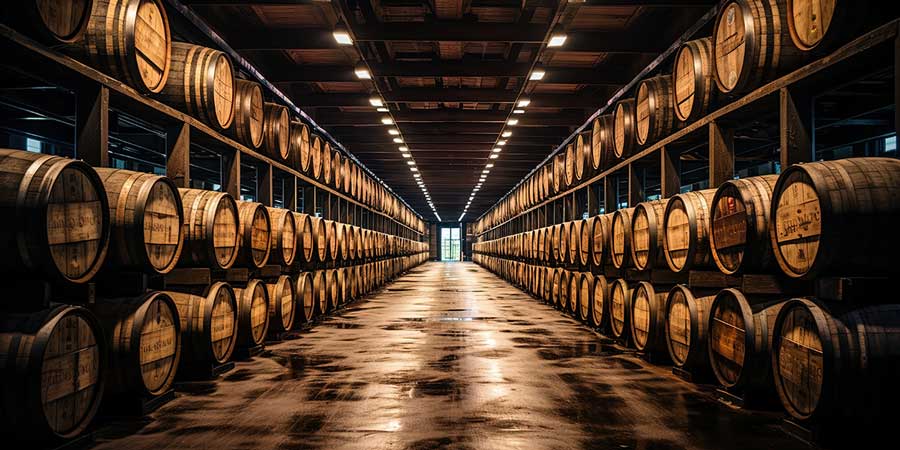
All for the love of ethanol? Over the last decade, new releases and enthusiastic interest have driven growth. This has led to a strong rise in cask-strength whiskey sales. Distillers bottle cask-strength spirits straight from the barrel without diluting them to the 40% ABV (alcohol by volume) standard. They offer more robust flavors compared to standard expressions, as well as ethanol levels of 50%-70% ABV or even higher.
Enthusiasts seek the undiluted experience of cask strengths, which showcase the full spectrum of flavors developed during aging. Additionally, whiskey tourism and a proliferation of whiskey clubs and societies have boosted cask strength popularity. Science journal paper on Ethanol vs Odorant Detection.
Braeburn’s BC20 Whiskey Cask Index reported growth of 14.95% in 2022. The premium global whiskey market segment includes cask-strength products. Braeburn’s BC20 Whiskey Cask Index estimated the market to surpass $67.6 billion in 2023. Global Market Insights, Inc. projects an annual growth rate above 6.8% from 2024 to 2032. Who wins in this quickly evolving marketplace?
Distiller Wins with Cask-Strength Spirits
- Higher Profit Margins: Producers price cask strength whiskeys at a premium because of their higher proof and perceived value. Premium pricing and lower dilution costs generate higher profit margins than those earned on standard 40% ABV whiskeys.
- Market Differentiation: Cask strengths can set a brand apart in an overcrowded market, building a niche market segment attractive to connoisseurs and collectors. Offerings enhance brand image, elevate brand perception and improve sales.
- Customer Engagement: Distillers create limited edition cask strength releases to drive interest, brand loyalty, purchasing urgency, and strengthen customer engagements. Barrel programs for bars, restaurants, and private collectors allow distillers to build deep relationships with key customers and influencers and broaden market presence.
- Inventory management: Barreled whiskeys deemed acceptable for drinking are sold as cask-strength. These whiskeys lie outside the taste profile for internal blending. This practice improves inventory management efficiency.
Presumed Customer Wins with Cask-strength spirits
- Enhanced Flavor Experience: More intense and complex flavor profiles compared to their diluted counterparts. Consumers experience the whiskey in its purest form with a full spectrum of aromas and flavors. Some claim cask strength allows them to customize their dilution level, yet adding water defeats the flavor benefit of cask strength.
- Value for Money: Some say that although cask strength whiskeys are more expensive upfront, their higher alcohol content means that a single bottle can yield more servings once diluted to regular drinking strength. However, increased demand for cask strength has increased price points, and there’s actually little to no economic advantage. Again, why pay for cask strength and dilute it?
- Collectability and Investment: Many cask strength releases are limited editions, making them collectible items. As these bottles can appreciate in value over time, they also serve as investments. Bottles from a specific cask or batch may provide a sense of exclusivity and connection to the distillery, for some whiskey aficionados.
- Giving Back: Purchasing cask strengths supports many artisan distillers and their dedication to craftsmanship.
The Glitch
As sensory science researchers, we know that less water means more flavors/aromas; many research papers validate this point. In a crude, generalized explanation, hydrogen bonding of water molecules hinders flavor release, and cask strength whiskeys have more intense flavors and aromas solely due to the reduced water content. However, many do not understand the aroma benefits of cask strength and purchase them for different reasons. Some dilute with water as previously noted; some are impressed by top-shelf-name-brand special editions, and many treasure ownership of scarce, limited quantities.
The search for ethanol: Tulip glass headspace contains 65-80% ethanol, 10-20% air and water, and less than 0.5% character aromas from a 40% ABV whiskey, and the higher end of the ethanol range applies to cask strengths. In addition, drinking from tiny rim tulip glasses for decades has preconditioned drinkers’ ethanol expectations, misdirecting them to a primary, perhaps subconscious search for ethanol presence, usually justified by the detected degree of pungency. Consumers confirm this mass ethanol pursuit in other ways by seeking the ABV statement when shopping.
Sadly, after a minute or two of tasting, most drinkers lose the ability to recall specific aromas because ethanol acts as an anesthetic that suppresses aroma detection with every sniff. Repeated ortho-nasal exposure to ethanol numbs the olfactory system and dramatically reduces the aroma component of flavor, leaving only a fleeting memory of the first few aromas perceived. Serious whiskey drinkers prioritize aroma and character over ethanol strength. Remember: aroma accounts for 90% of flavor, while mouthfeel and taste each contribute just 5%.
In Summary
What’s the best way to appreciate cask strengths? A simple diagnostic glass rewards the serious cask-strength whiskey drinker. Dump those nose-numbing ethanol-concentrator tulips for a tumbler or the best, a NEAT glass. NEAT works well when drinking 40% ABV whiskey and performs wonders with cask strengths. Ethanol concentration in the center of the rim plane is 0%, and at the rim is only 11%, and there’s room for your nose in the glass. We love ethanol, but it’s no excuse to numb the nose, overriding and obliterating the enhanced flavors and aromatic benefits of cask strengths. Ethanol pungency is an irritant and is not to be confused with flavor. Most whiskey drinkers confuse pungency with character aroma.
Change your glass to elevate your sensory experience level to enjoy the real customer win from cask strengths; intense flavor, aromas and unique character. Science eventually renders non-functional tradition obsolete, revenues from NEAT sales fund further research.
*Cask and barrel are used interchangeably for simplification. Technically, all barrels are casks, but not all casks are barrels. A barrel specifically refers to a cask size of 50-53 gallons
Bio: George F Manska, CR&D, Arsilica, Inc.
Qualifications: Published sensory science researcher, and entrepreneur. BSME, NEAT glass co-inventor
Mission: Replace myth and misinformation with scientific truth through consumer education.
Note: Enrolled NEATNEWS subscribers are entitled to 10% discount on all purchases and free shipping over $55 for as long as you are enrolled. Coupon code: ILUVNEAT


