
Bias Works to Corrupt Results and Destroy Quality Assessment

Bias Works to Corrupt Results and Destroy Quality Assessment
Bias works to corrupt evaluation results, and worse, they destroy valuable spirits quality assessments. Psychology endeavors to provide explanations for human thoughts, actions, and beliefs and biases. Carefully screening evaluators uncovers bias. Strong beliefs and biases create barriers to acceptance of functional science, particularly relating to subjects considered artistic or creative.
Wine and spirits tasting, evaluation, ratings, and quality assessments have long existed. But, until recently, evaluations were largely devoid of practical sensory and physical science methodology.
It’s Not that Simple
After all, what is there to understand? Pour the beverage into the glass, look at it, smell it, taste it, and decide whether you like it or not. Few ever question the procedures and apparatus used, and most believe that if many experts follow a set process, then it must be correct. Understanding yourself makes sure you are qualified to make accurate assessments and purchasing decisions. More on ethanol issues.
Psychological Attitudes; the Quest for Best, where Biases Lurk
Beliefs, feelings, and behavioral tendencies shape psychological attitudes. A multitude of choices confronts consumers, so they rely on “best” claims to guide their buying decisions. They demand concise, prioritized lists while subscribing to impatient, psychological attitudes, “Just tell me which ones are best, don’t clutter my mind with details, Gimme the best and I want it now.” It is truly a sign of the times.
These attitudes strongly influence consumer behavior. Each year, the Wine Spectator list of the 100 “Best” Wines of 202X inspires thousands of wine lovers to tear out the summary page and rush to secure a few of the highest-ranked bottles. Distributors allocate scarce, sought-after brands to stores with the highest sales volumes, while surging demand drives prices upward. Long lines, limited availability, and prices beyond many consumers’ means leave frustrated buyers competing for access. The marketplace turns hostile.
Bias can be Worked into the Story or Twist the Vocabulary by Marketing
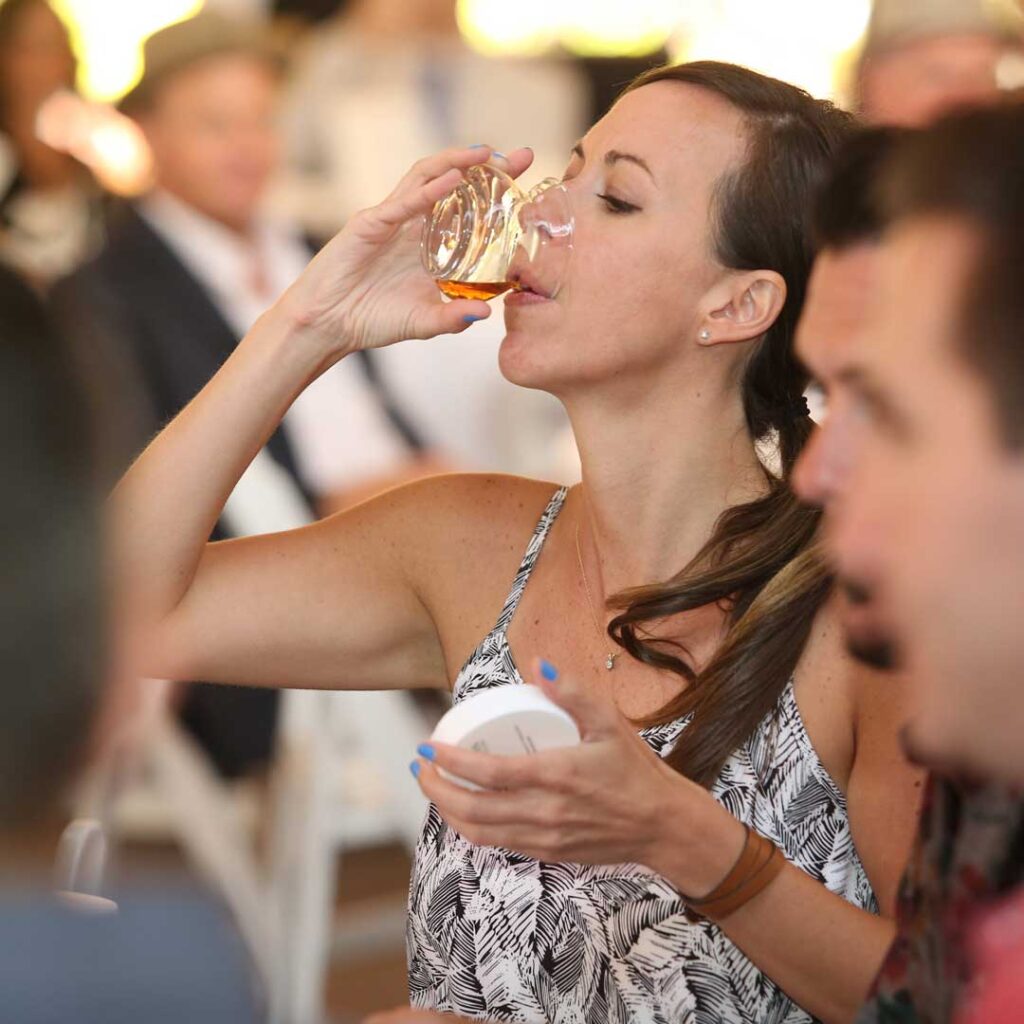
Storytelling: • Compelling narratives of history, heritage, and craftsmanship, creating an emotional connection with consumers, suggesting a rich and authentic backstory. Bias can come in your attitude toward the story.
Twisted Marketing Science/Pseudo-Scientific Language: Many brands use complex-sounding scientific terminology to describe manufacturing processes suggests a higher level of sophistication or intellect unsupported by science (e.g., “proprietary molecular aging,” “scientifically crafted.”). Bias can come from your opinion of the language used.
Other Attitudes Work in Concert with Biases to Corrupt Quality Assessment
Brands that make the “best” lists are usually (1) scarce and pricey, (2) received good reviews from popular reviewers, or (3) won medals at prestigious competitions. As consumers turn to these prioritized lists to make buying decisions, they surreptitiously avoid personal accumulation of “unnecessary” baggage-knowledge-details. As a rule, impatience automatically dismisses any inkling of the concept of making meaningful personal choices and will corrupt quality assessment.
Choosing to bypass the learning curve to proficient evaluation, consumers turn to exposure experiences for social media posts that prove their self-involvement; like taking selfies of drinking Petrus (any vintage) and toasting in the presence of a Pappy van Winkle bottle. This widespread practice has become shameless and necessary to validate oneself as a “knowledgeable” participant.
Those treasured “sharing-the-spotlight” moments are all about a personal, prestigious “I belong” association with tradition, rare labels and vintages, or age statements, and not about the internal search for personal satisfaction and value.
Consumers voluntarily exchange their personal development for external experiences that portray them as “in-the-know” and “active participants.” It simply requires too much time and effort, and self-validation is too important to play this game differently. As a result, these attitudes become a barrier to discovering your personal biases
Well-worn Practices Create Bias, and Science Creates Upheaval
Science is usually late to influence artful and skillful topics, but it has now arrived, and suddenly everyone is confused by new, “unbelievable,” and unacceptable ideas. For example, wine attributes traditionally described as “terroir” no longer fit that convenient catchall explanation. Also, glass shapes used for centuries now mask aromas with concentrated, anesthetic ethanol. Additionally, water does not “open up” whiskey. We now know beers should be swirled.
Personal taste may be more important than labels and vintage. New scientific rationale threatens old memes, and resistance to change is nearly insurmountable as the consumer has become comfortably numb on his path to gathering external participation experiences and notoriety over an internal quest for discovering the sublime.
Evaluators Biases Corrupt Results, Destroy Quality Assessments
If organizers allow competition judges to participate without screening, they may produce disastrous results. As you read the biases below ask yourself whether you judge impartially, even for your own purchases. This exercise can teach you a great deal if you are willing to acknowledge that your own faults may affect fairness and accuracy. Corrupt data is useless to everyone.
Bias List (Partial)
Confirmation Bias: Occurs when one seeks out, interprets, and chooses to remember only information confirming preexisting beliefs. People turn myth into accepted fact when they embrace information that supports their existing views and ignore or dismiss contradictory evidence. Experts often reinforce these beliefs when they view scientific explanations as threats to the opinions they previously defended. In addition, confirmation bias sustains myths and deeply rooted false beliefs throughout religion, politics, and social media, and it may represent one of today’s greatest barriers to the acceptance of science.
Availability Heuristic Bias: The tendency to overestimate the importance of readily available information. Recent news of a rare event leads one to believe it is a common occurrence.
Anchoring and Adjustment Bias: Relying too heavily on the first piece of information read because it confirms pre-existing beliefs.
Hindsight Bias: An event was predictable or expected, simply because it has already occurred.
Overconfidence Bias: Overestimation of knowledge, capabilities, and confirmation of the accuracy of beliefs and predictions.
Self-Serving Bias: Successes are the result of personal efforts and talent; failures are someone or something else’s fault. This can be an easily recognized bias, and it will corrupt quality data.
Dunning-Kreuger Effect: Individuals with low ability or knowledge tend to overestimate their ability/knowledge. Conversely, those with a high degree of ability/knowledge tend to underestimate themselves. Ultimately, Dunning-Kreuger is about individual self-assessment of expertise and competence.
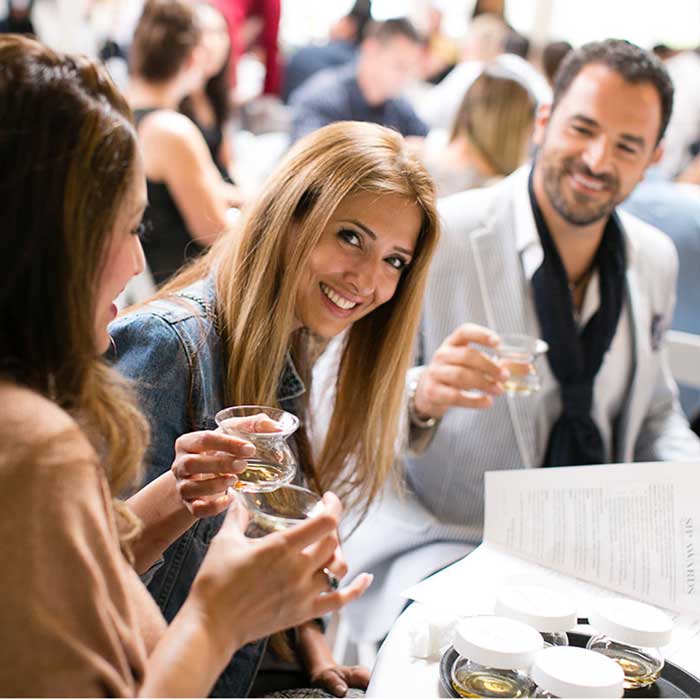
Groupthink Bias: The group values consensus and cohesion over critical thinking.
Status Quo Bias: Preference to stay the same, even if change is beneficial (avoid unknown consequence or loss).
Loss Aversion: Prefer avoiding a loss over acquiring gains (risk aversion)
Negativity Bias: Giving more weight and importance to negative information than to positive information or experiences.
Recency Bias: Placing more importance on recent information than older ones when making judgments.
Cultural Bias: Interpretation of issues as compared to the correctness of one’s own culture (ethnocentrism).
Did you recognize any of these? There are many more, this is just a start.
Summary
Bias is least understood and seldom recognized but plays a big role to producing corrupt data and quality assessment. The true unbiased judge is open-minded and strives to understand things scientifically, with the ultimate goal of improving judgment, buying decisions, and ultimately, personal satisfaction. Ultimately, that true judge and evaluator is you, because you are the only one who knows what you like or dislike. Not to mention that knowing yourself is the only way to be fair with others while properly assessing quality.
If you rely on others’ opinions, ask yourself “Is the critique fair and unbiased?” Question the information: Is it rational, does it correlate with other sources, are they (or am I) practicing a bias?
Reading and listening are indispensable tools, but developing a sharp sense of recognizing and retaining accurate information is key to enhancing enjoyment and has other far-reaching benefits – if you let it. Recognizing and controlling personal biases is the first step. It will help you to avoid corrupt, non-repeatable findings, and improve your evaluation of quality characteristics. Discover how one independent research study is a good example of eliminating biases. Journal paper on ethanol and spirits evaluations
Bio: George F Manska, CR&D, Arsilica, Inc.
Qualifications: Published sensory science researcher, and entrepreneur. BSME, NEAT glass co-inventor
Mission: Replace myth and misinformation with scientific truth through consumer education.
Note: Enrolled NEATNEWS subscribers are entitled to 10% discount on all purchases and free shipping over $55 for as long as you are enrolled. Coupon code: ILUVNEAT
About The Author
Discovered and developed Naturally Engineered Aroma Technology (NEAT) to enhance the presentation and perception of spirits by separating the disagreeable, numbing aromas of ethanol alcohol from characteristic spirit essences. NEAT connects human physiology, chemistry, and basic physics to improve glassware design to appeal to the flavor senses of smell and taste. Glassware today is designed in the styling studio, and marketing is added later to sell the design and insinuate function.
Our mission is to educate the public and industry professional to improve knowledge on nosing and tasting spirits. Scientifically designed glassware exposes all traits of a spirit, good and bad, and raises the bar of excellence by exposing the true quality previously hidden by nose numbing ethanol. We are: Changing the Way the World Drinks. NEAT is the Shape of Flavor, and Form Follows Function.


