
Popular Glassware is the Taster’s Worst Enemy

Popular Glassware is the Taster’s Worst Enemy
The Taster’s worst enemy is located right under our noses. The most popular glassware is the common, tulip-shaped glass we have historically used for centuries to taste and evaluate spirits, unconsciously rules our entire approach to spirits tasting and enjoyment.
Why Glassware is the Enemy
The vast majority of detectable aromas from a 40% ABV spirit is ethanol. Note that we said “detectable.” Air and evaporated water are “background” aromas deemed undetectable because we are born into them. The nose has fully acclimated to their inevitable, eternal presence. As a result, the only detectable aromas from spirits are the flavor congeners (2.5%) and ethanol (97.5%)
In the battle to reach the nose first, ethanol wins; highly volatile ethanol, and there is so much of it. We’ve said before that flavor is 90% olfactory in our spirits world. Alcohol arrives first on the scene, and its properties irritate the trigeminal nerve system. In addition, it destroys the detection and identification of aromas before they get there in sufficient quantity to be detected, much less, identified.
We want to experience those flavors, but the concentrating funnel of the tulip glass immediately provides a nearly insurmountable barrier to enjoyment and analytics. More about ethanol.
Tying this Discussion to Drinkers’ Attitudes
In our last two NEATNEWS letters, we alluded to the behavior of tasting event attendees and the different types of personalities of spirits tasters. To summarize, very few drinkers ever get useful information regarding tasting procedures and methods. Notably, these problems are largely because acceptance of current procedures, poor glassware choices, and the primary emphasis on ethanol, collectively work against true science. All this is blanketed by a reluctance to change.
As a result, the majority of whiskey drinkers are just playing at tasting. Noses are irritated and numbed by ethanol. Many drinkers drink for the ethanol “buzz.” Unconsciously, we are training ourselves to prioritize ethanol over discovering flavors and quality. In other words, to quote Walt Kelly from his comic strip Pogo. “We have met the enemy and they are us.”
Reviewing the Glassware Problem
The decades long usage of a glass designed for 16-22% ABV sherry copita/tulip to taste 40% ABV spirits places an invisible barrier to our deeper understanding of every spirit. Ethanol anesthetizes olfactory neuron receptors from the very first sniff. This barrier is anesthetic ethanol alcohol. Tulips create a nose-bomb of pungent numbing ethanol, hiding subtle flavors. As a result, drinkers seldom if ever get an accurate picture of a spirit’s true profile. That is why we say tulips are the taster’s worst enemy.
Reviewing the Psychological Ethanol Problem

We love ethanol, don’t we? As a matter of fact, euphoric ethanol is the major reason we drink. Yet we are just kidding ourselves with tastings, events, and machinations we endure. Those are excuses to sniff ethanol, not to learn more about spirits. Tulips in combination with the public’s ingrained worship of pungent, anesthetic ethanol creates an ethanol barrier to knowledge and understanding. To clarify, we understand little about the spirit, because ethanol in popular glassware keeps us in a nose-numbed fog.
But Is Popular Glassware not a big Issue in Wines?
It is, but not nearly as big, and that is a different discussion. At least with wines, evaluation and pinpointing flavors is much easier. Wines have much lower ethanol, ranging from 4-16%. With a little practice, almost anyone can easily tell the difference between grape varietals.
Additionally, the taster can detect differences in style. For example, monitoring pH, temperature, and using inoculation of cultured bacteria promotes buttery-flavored malolactic fermentation, and oxidation is easily detected and is considered to be an accepted and even desirable trait in some red Spanish wines.
Because the low ethanol in wine does not quickly nor totally interfere with our olfactory and chemosensory receptors, it gives us a little time to detect, identify, and differentiate the flavors. In our estimation and experience with wines, a much higher percentage of wine drinkers know and understand wines. The percentage of spirits drinkers who can differentiate and even identify different spirits is much lower.
Popular Glassware, the Taster’s Enemy, is Why we Seek Outside Opinions
Why do so many bloggers, critics, gurus, and book authors exist to tell us about what is good and what is not? We think it’s because the ingrained per-disposition to pungent ethanol from tulips makes ethanol the end game. We can’t detect, so we ask someone. Everything else stops at that first whiff of the drug ethanol. Consequently, there is no continuation of the process to discover subtle sensations, nose, and flavors of the spirit.
As a result, we seek someone else’s opinion, affirmation, or read others’ tasting notes. Nose-numbed, asking someone else has become the only way to discover which flavor notes we should remember. We are told what to like before we have a chance to decide for ourselves, and worse, we gave that decision away.
Observing the Typical Spirits Buyer
In the liquor store aisle, watch how consumers make choices. Many know the bottle/label/package they came to buy. Those who are trying to make up their minds will spot the eye-candy of an attractive label or bottle. Most read the label to find % ABV and note the price. This data calculates a value index (cost divided by % ABV). Ethanol and marketing sell spirits. As a result, flavors and quality have little to do with choice.
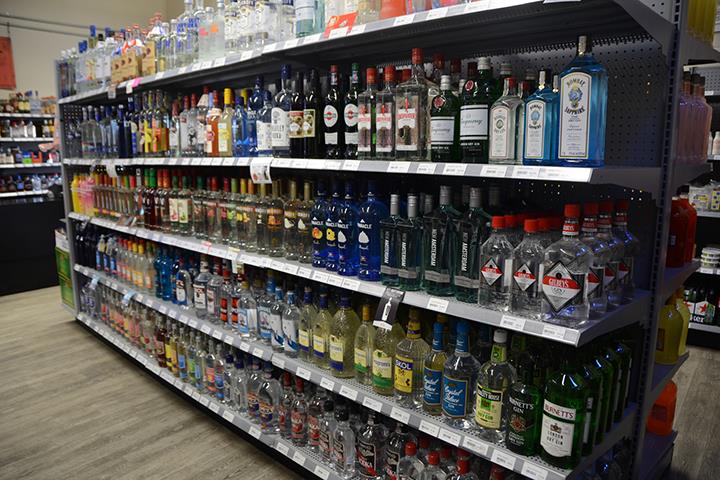
Depending on Others’ Opinions
Some go to the phone and call a trusted friend or bring up a critic’s website to find out more. Some click on their favorite app and buy (or not) by the rating. If the ethanol value proposition wasn’t a large enough purchasing incentive, spirits buyers may consult someone else to help them justify the purchase.
Placed in perspective, spirits are priced higher than wine on average, so disappointments with spirits can be more costly. Additionally, general knowledge may be greater among wine drinkers than spirits drinkers because the invisible nose-numbing ethanol barrier limits the average spirits drinker’s ability to evaluate and build a smell library.
Critics, Bloggers, and Authors Also Have Problems with Popular Glassware
Why would you think the critic has a better nose for your personal preferences than you do? At the level of nose numbing that occurs from tulip-shaped glasses, very few critics and evaluators are endowed with good noses. Most are in business. Most do not understand basic science. Therefore, few are actually qualified to give advice. Consequently, it’s all up to you to develop your own sensory.
You need to find the good guys. We prefer those who taste blind, using triangle testing, and verifying more than once in different orders. Those few evaluators who do understand the effects of ethanol work hard to keep the ethanol cloud from affecting their notes. In their absence, learn enough to do it yourself.
Replace Non-functional, Popular Glassware
Common excuses not to change include: “I believe the smell of ethanol belongs,” “I have a good nose and ethanol doesn’t bother me,” and “Everyone else drinks from tulips.” Tolerating ethanol from tulips is essentially placing the importance of ethanol ahead of discovering or actually applying your personal preferences when purchasing. How NEAT works.
Sorry Charlie, you had a good nose until you snorted ethanol. Every time ethanol molecules attach to cilia, the olfactory receptor neuron is rendered useless due to trigeminal irritation.
Are Competition Awards any Indication of Quality?
No one is immune. Spirits competitions have glassware problems, too. Many competitions gather revenues rather than providing comprehensive notes. Judging issues include flight size (pushing six or more samples in 45 minutes with numbed noses) and personal bias. Distillers whose product is last in a flight have a disadvantage because noses are already numbed.
NEAT is the official judging glass of over 40 major international competitions annually. NEAT lets you have it both ways: evaluate at the rim, or if you miss the ethanol, stick your nose in. Tulips give you no option. Inadvertently, it becomes a race to detect and identify flavor against your nose getting numb. Your worst enemy might be your glass.
Note: Enrolled NEATNEWS subscribers are entitled to 10% discount on all purchases and free shipping over $55 for as long as you are enrolled. Coupon code: ILUVNEAT
Bio: George F Manska, CR&D, Arsilica, Inc.
Qualifications: Published sensory science researcher, entrepreneur. BSME, NEAT glass co-inventor.
Mission: Replace myth and misinformation with scientific truth through consumer education.
Comments Welcome – Contact: george@arsilica.com, phone 702.332.7305.
More Information: www.theneatglass.com/shop


